
Quality Water Damage Restoration
Water Damage Restoration in Pembroke Pines, FL | Help for Broward Homeowners
Extraction, drying, mold work and repairs for Pembroke Pines homes, planned around South Florida humidity and the summer storm pattern.
- Rated 5.0 on Google (3 reviews)
- No-charge moisture check
- Help with your insurance paperwork
Getting a Wet Pembroke Pines Home Back to Normal
Water rarely shows up at a convenient moment. A supply line splits behind the refrigerator, an afternoon storm parks over the neighborhood, or the air handler closet starts dripping onto the hallway tile. We are Quality Water Damage Restoration, and our work is what comes after the plumber or roofer: extraction, drying, removal and rebuilding.
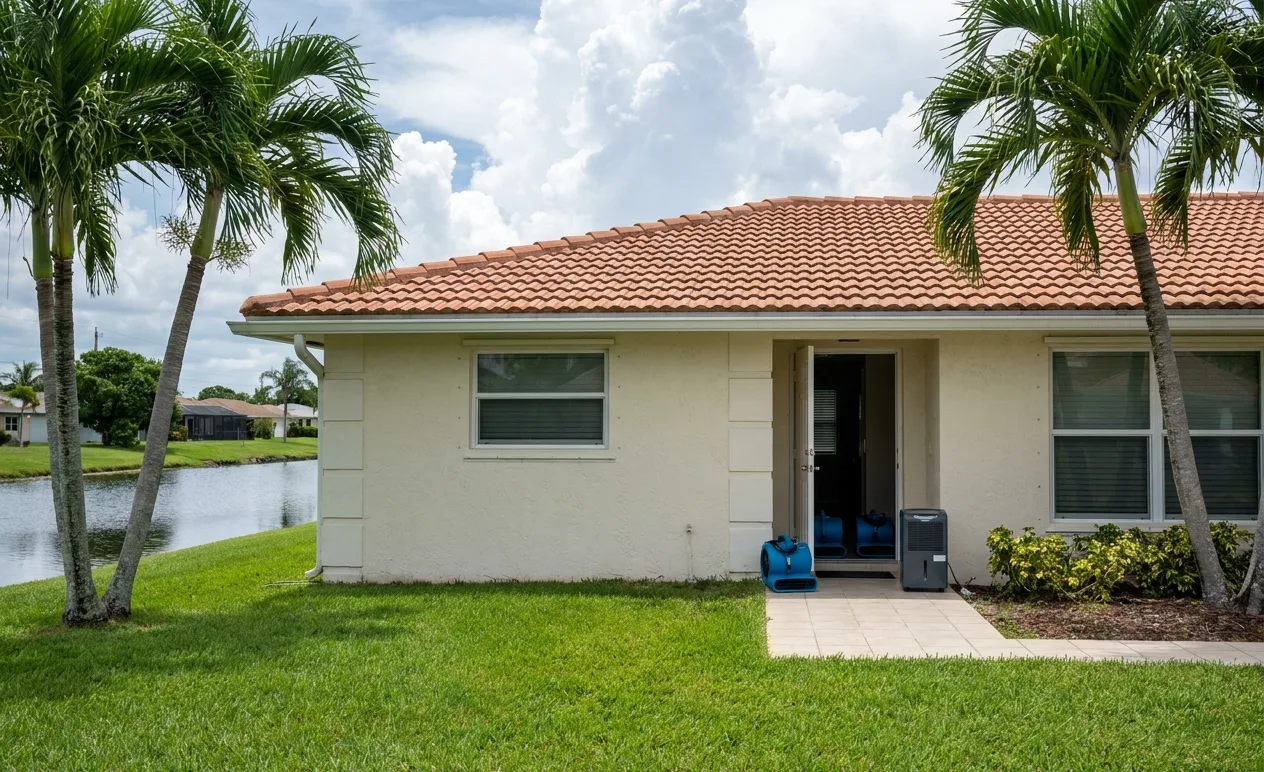
Drying a house in Pembroke Pines is a different job than drying one in a desert. The outdoor air here holds so much moisture that opening windows usually moves the problem around instead of solving it. We close the space up, measure what is wet, and size dehumidifiers and air movers to the room.
Before anything is torn out, we walk the property with moisture meters and a thermal camera and explain what we find in plain language. You get a written scope showing what can be dried in place, what has to go, and what each step costs. That record also supports an insurance claim.
Water Damage Services for Pembroke Pines Properties
Each job starts with finding the source and mapping the moisture, then moves through only the steps the damage needs, from one soaked closet to a full storm cleanup.
Full Water Damage Restoration
Restoration covers the whole arc of a loss: stopping further damage, removing water, drying walls and subfloors, cleaning surfaces and rebuilding what had to be cut out. We order the work so drywall is never hung over damp framing and baseboards wait until readings come back dry. You deal with one crew and one written plan.
Emergency Water Extraction
The first hour of extraction does more to limit damage than almost anything after it. We use truck-mounted and portable extractors on carpet, pad and tile grout, plus weighted tools that squeeze water from padding. Pulling bulk water quickly shortens drying, which matters in a humid climate like ours, where wet materials tend to linger.
Structural Drying and Dehumidification
Once visible water is gone, plenty remains inside drywall, cabinet bases and the concrete under the flooring. We set low-grain refrigerant dehumidifiers and directed air movers, take daily readings and log them, then shift equipment as zones dry. Because outdoor humidity stays high most of the year, we keep the work area sealed from the weather.
Mold Removal and Remediation
Mold follows moisture that went unnoticed: a slow sink leak, a wet wall behind furniture, a damp air handler closet. We follow the approach in the IICRC S520 standard, containing the area, running HEPA filtration, removing growth on porous materials and cleaning salvageable surfaces. If the leak or humidity feeding it isn't fixed, the mold grows back.
Sewage Backup Cleanup
When a toilet, floor drain or sewer line backs up, the water carries bacteria that call for a different process than a clean leak. Our crews wear protective gear, remove porous materials the waste touched, disinfect hard surfaces and dry the area under containment. Family members and pets stay out of those rooms until cleaning is verified.
Burst Pipe and Supply Line Cleanup
Pressurized lines can release a lot of water before anyone notices. After your plumber makes the repair, we trace how far the water traveled, which is often farther than the stain suggests, especially under tile and inside cabinet toe kicks. Then we extract, dry and remove damaged material. Plumbing repair is not in our scope.
Roof Leak and Ceiling Damage
Wind-driven rain can find gaps in roofing and around vents, and the first sign is often a brown ring on the ceiling or sagging drywall. We check attic insulation and the ceiling cavity for trapped water, remove material that will not recover and dry the framing. After your roofer seals the exterior, we refinish the interior.
Storm and Flood Damage Cleanup
Heavy rain and tropical systems can push water under doors or up from saturated ground. Outside floodwater is treated as contaminated, so we cut soaked drywall at a measured line, pull wet insulation, sanitize framing and dry the slab. We also photograph and catalog damaged contents for a flood insurance claim if you carry one.
Free Moisture Inspection
Not every stain means a big job, and not every dry-looking wall is dry. Our moisture inspection is free. We use pin and pinless meters, thermal imaging and a hygrometer on affected and nearby rooms, then tell you honestly whether you need professional drying or just monitoring. You keep the notes and readings either way.
Insurance Claim Documentation
Adjusters want clear evidence: what got wet, how it was measured, what was removed and why. We provide dated photos, moisture logs, equipment records and an itemized scope that lines up with how claims are reviewed. When asked, we can explain the technical side to your adjuster, while coverage decisions stay between you and your insurer.
What Causes Water Damage in Pembroke Pines Homes
Leaks in southwest Broward follow the climate closely. Long humid summers, frequent thunderstorms and air conditioning that runs most of the year all leave a mark.
Air Conditioning Condensate Overflows
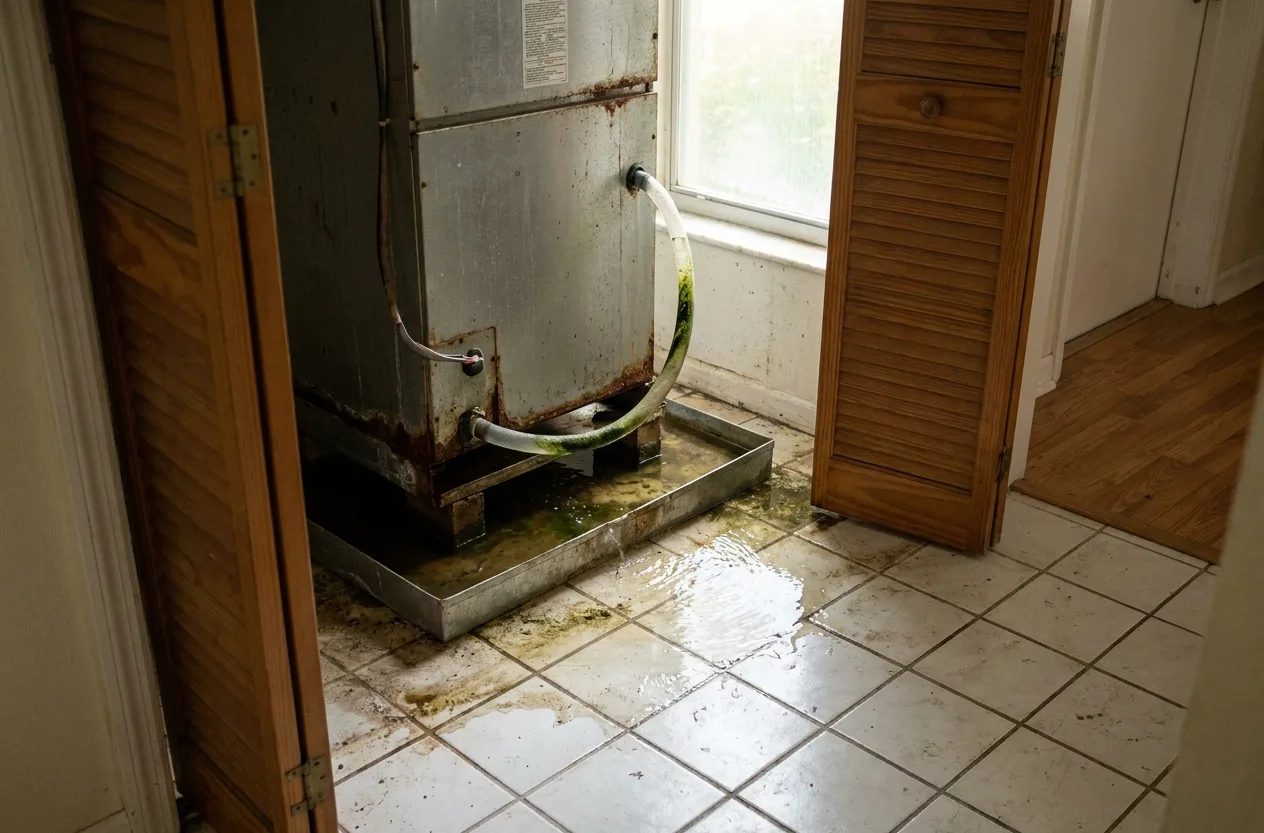
Central air pulls a steady stream of water out of indoor air, and it has to drain somewhere. When the line clogs with algae, the pan overflows into the closet, ceiling or wall. The EPA advises keeping drip pans clean and drain lines flowing, which matters here because systems run for months.
Summer Thunderstorms and Ponding
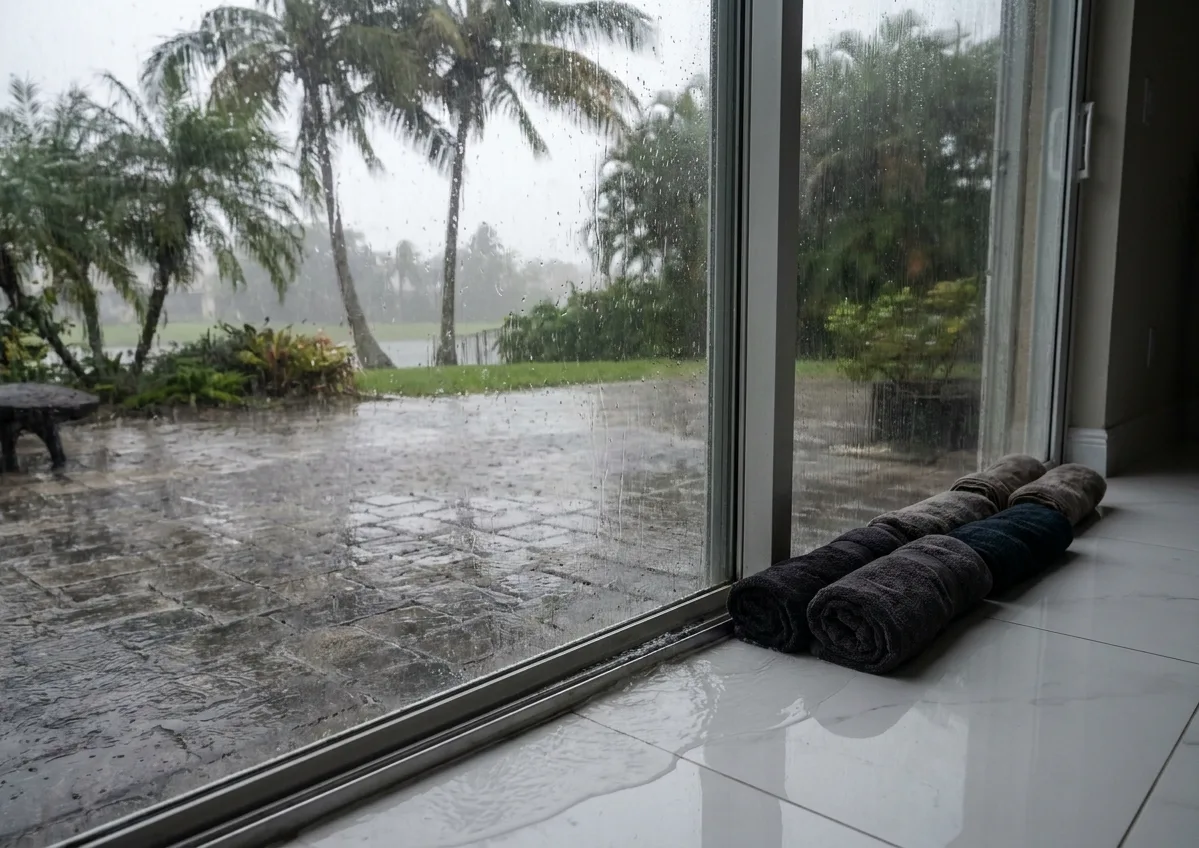
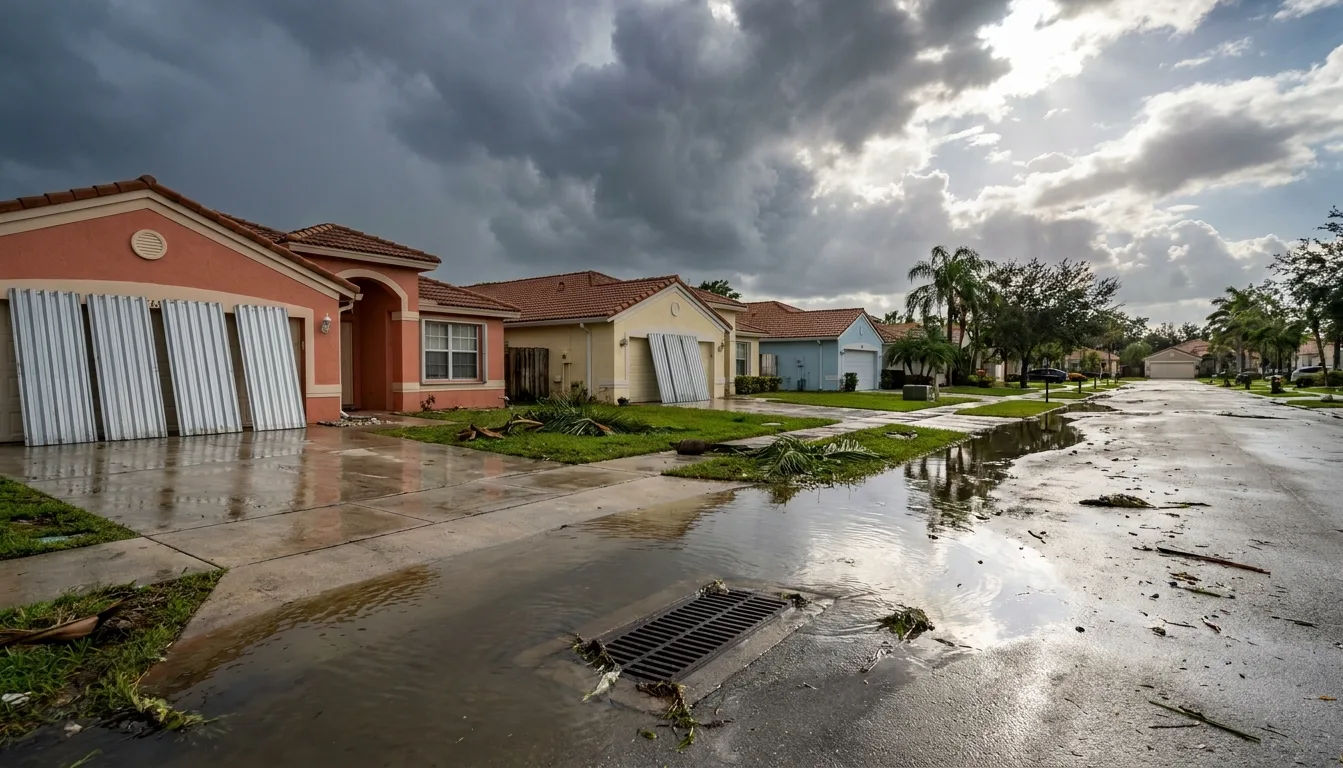
The National Weather Service in Miami marks the rainy season from May 15 to October 15, and nearly 70 percent of average yearly rain falls in that window. On flat ground, water can collect against doors and slider tracks faster than swales drain it, then creep under thresholds.
Hurricanes and Tropical Storms
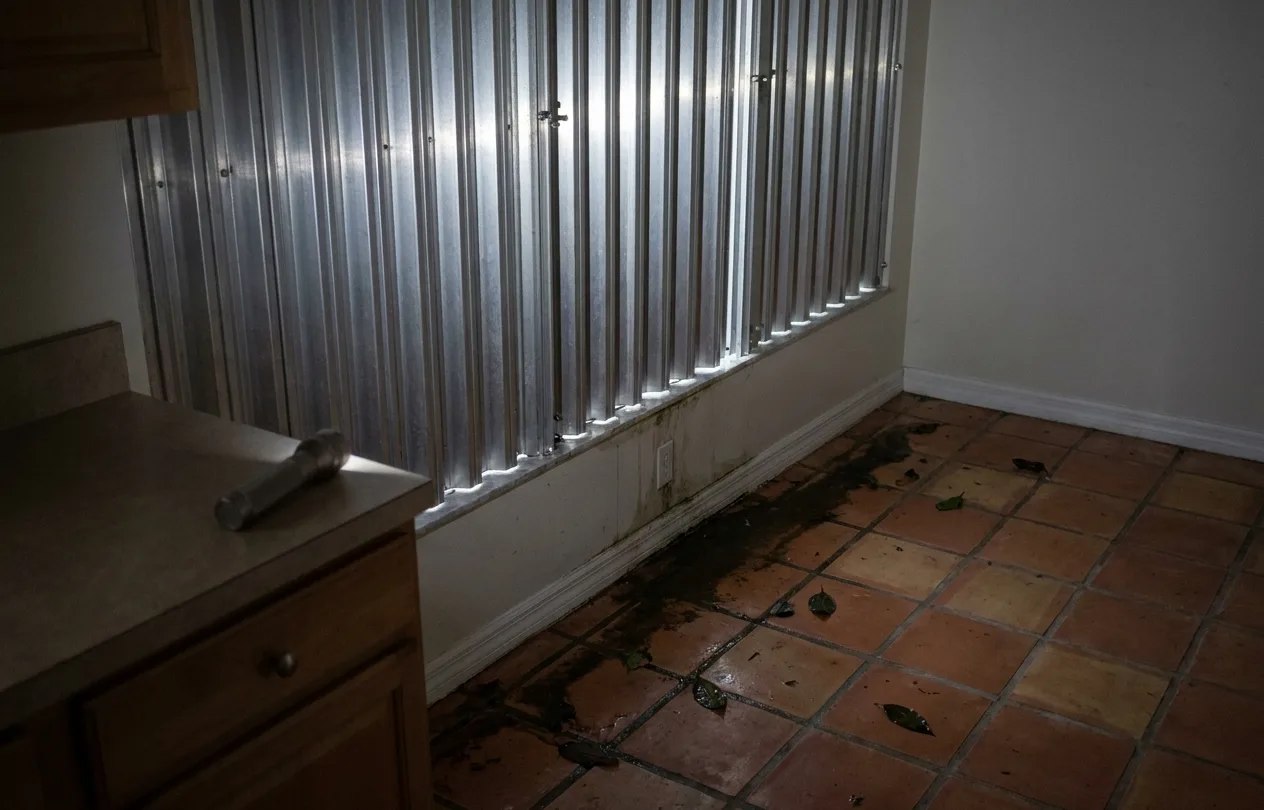
NOAA defines the Atlantic hurricane season as June 1 through November 30, peaking around September 10. Tropical systems bring sideways rain, outages that stop AC and pump equipment, and long soaking periods. Even a storm that stays offshore can drive water through window frames and roof edges.
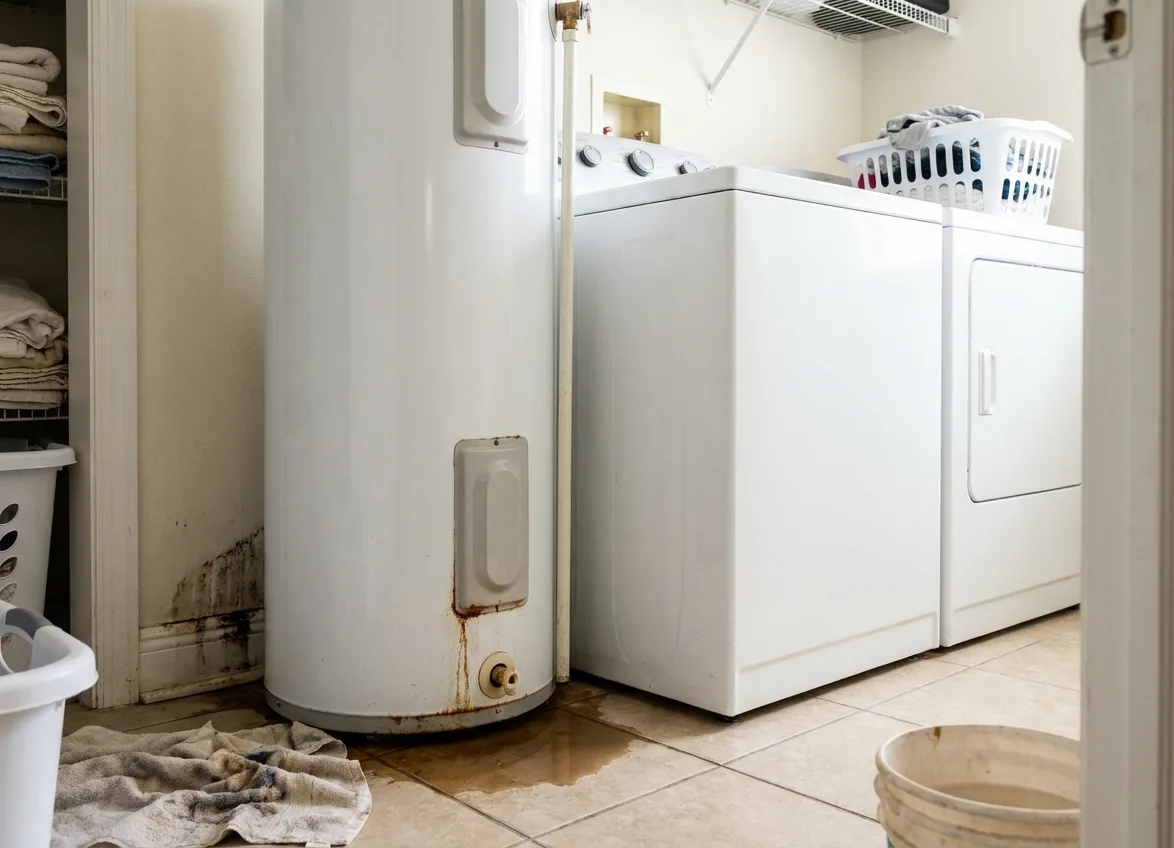
Water Heater Failures
Tank water heaters often sit in garages, utility closets or laundry rooms beside living space. A corroded tank or failed relief line can spread water across the slab before anyone spots it. On concrete, water travels under tile and laminate instead of soaking in where you can see it.
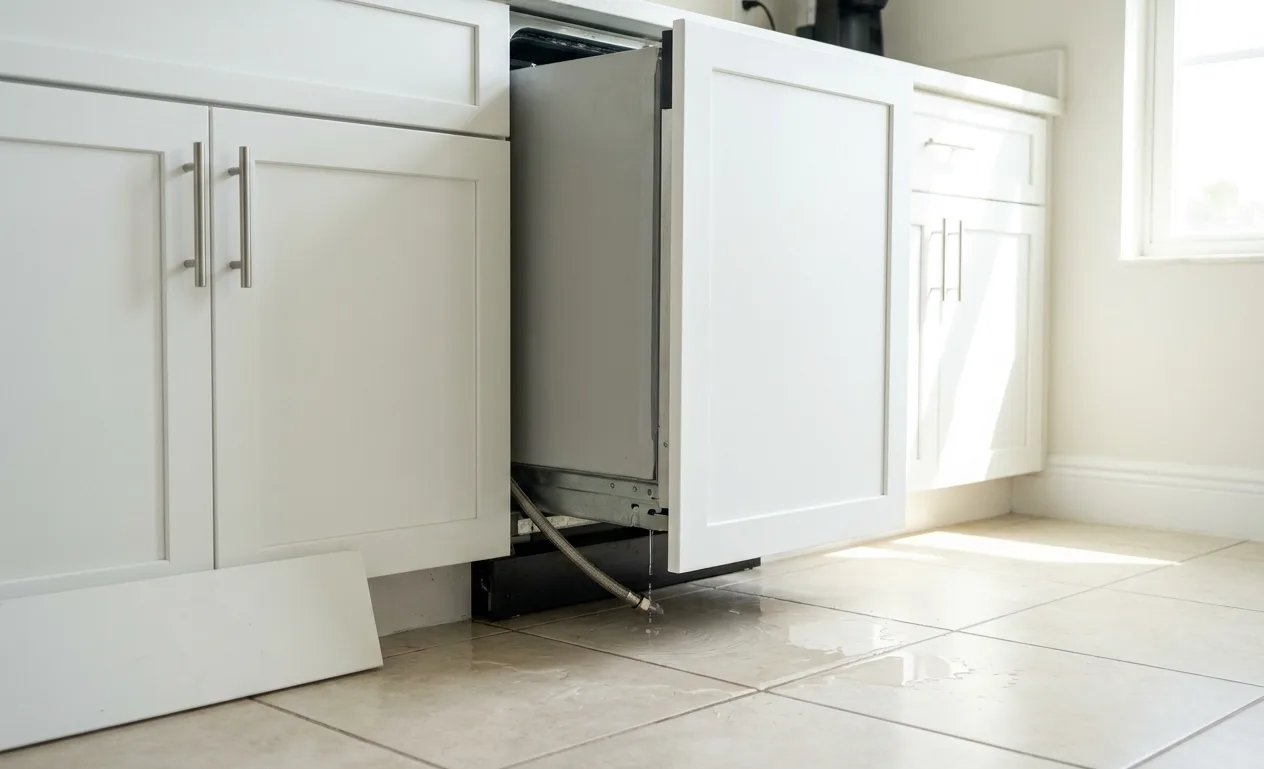
Plumbing and Appliance Leaks
Washing machine hoses, dishwasher connections, ice maker lines and toilet valves cause a large share of indoor losses. These leaks are often slow and hidden inside cabinets, so by the time a musty smell or warped baseboard appears, moisture has spent days spreading through drywall and cabinet bases.
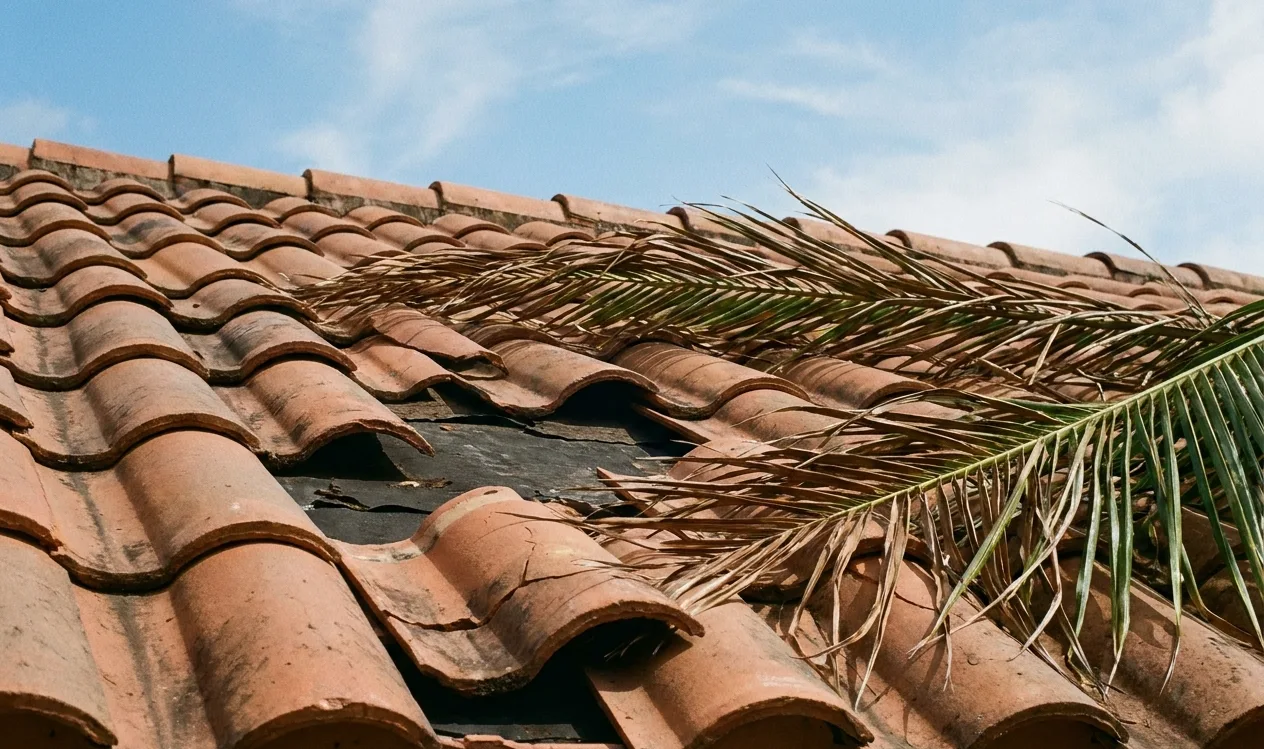
Roof Leaks From Wind-Driven Rain
Broward County sits in the Florida Building Code's High-Velocity Hurricane Zone, which sets tougher wind standards for roofs and openings. Roofs still age, and flashing, vents and underlayment can admit water in strong storms. A small leak can wet attic insulation long before a stain shows below.
How We Classify Water Before We Start
Under the IICRC S500 guidelines, how dirty the water is decides what our crew wears and which wet materials are worth saving.
Category 1: Clean Water
A failed supply line or a dripping ice maker releases sanitary water. Handled quickly, many materials can be dried in place rather than removed. Clean water does not stay clean, though. In warm, humid rooms it can degrade within a day or two as it picks up dirt and bacteria.
Category 2: Gray Water
This grade holds enough contamination to make someone ill if they handle it. Washer discharge, dishwasher overflows and condensate from a dirty pan often fall here. We treat surfaces with an antimicrobial and are more likely to remove carpet pad and lower drywall, depending on how long the water sat.
Category 3: Black Water
Black water is grossly contaminated: sewage backups, toilet overflows with waste, and floodwater from outside. Porous items it touched, including carpet, pad, drywall and insulation, are generally discarded. We work under containment in full protective equipment and disinfect the remaining structural surfaces before any drying begins.
Our Five-Step Restoration Process
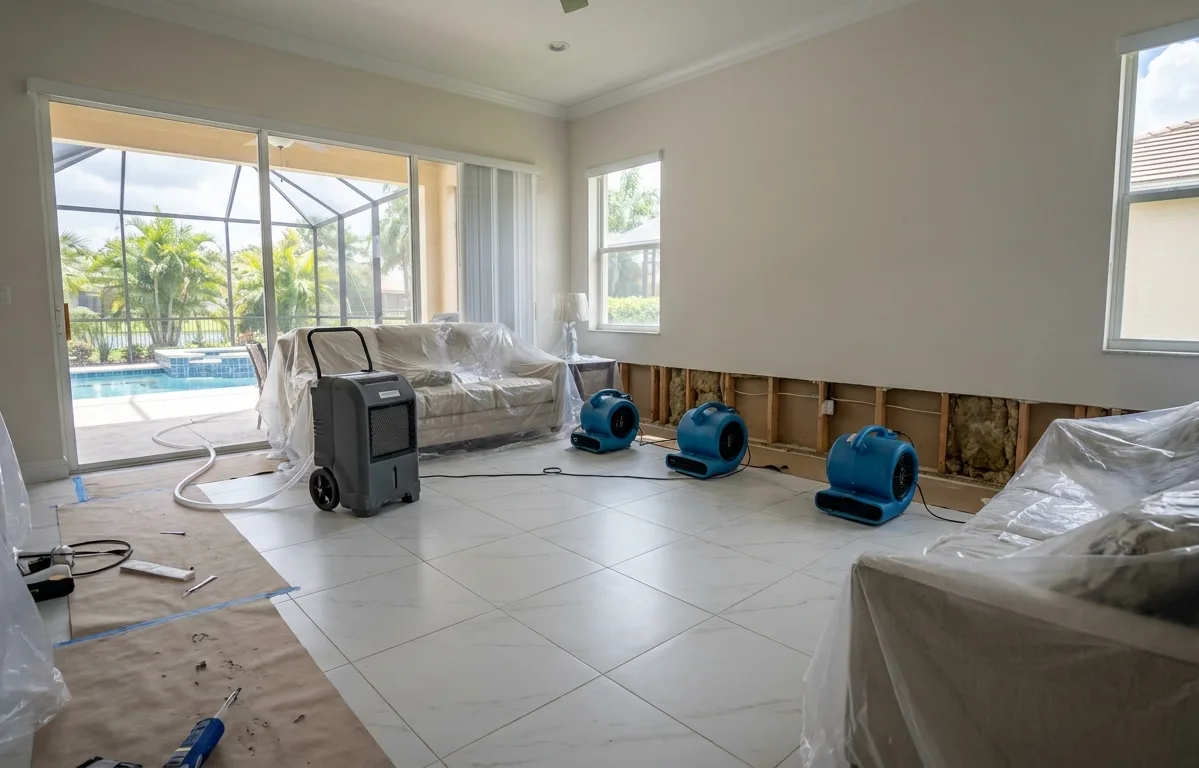
Inspect and Stop the Source
We confirm the source is shut off or repaired and check for electrical hazards. With meters and thermal imaging we map how far moisture has moved across floors, walls and ceilings, including rooms that look untouched. That map sets the scope, and you see it before work begins.
Extract Standing Water
Extraction removes the bulk of the water from carpet, pad, tile and hard surfaces. Pulling out as much as possible now cuts drying time and lowers the chance of swelling cabinets or lifting floors. We move furniture and contents aside and protect what can be saved.
Remove What Cannot Be Saved
Saturated pad, swollen particleboard and drywall soaked by contaminated water usually come out of the house. We cut drywall at a straight line above the wet zone so repairs are clean, then bag and haul debris. Anything removed is photographed first for your records and any claim.
Dry, Dehumidify and Monitor
We set dehumidifiers and air movers, seal the area from humid outdoor air and return for readings. Drying goals come from unaffected materials in the same home, not a guess. When readings match those reference points, equipment comes out, which usually takes a few days.
Clean, Repair and Restore
With the structure dry, we clean and treat surfaces, then rebuild: drywall, texture, paint, baseboards and flooring as the job needs. We walk the finished space with you to confirm it matches the scope, and hand over your photos, readings and invoices ready for an insurer.
Why Pembroke Pines Homeowners Call Us
We Measure Before We Cut
Tearing out materials that could have been dried adds cost and time. We use meter readings and thermal images to decide what stays and what goes, and we show you those numbers. If something can be dried in place, that is our first choice. If not, we explain why.
Drying Planned for a Humid Climate
Outdoor air here often holds more moisture than the indoor air we are trying to create. So we seal the work area, choose dehumidifiers that perform in warm, damp conditions and check progress daily. The goal is steady, verifiable drying, not a fan left running in a corner.
Clear Paperwork From Day One
Every job gets a written scope, dated photos, daily moisture logs and an itemized invoice. Whether you pay directly or file a claim, you can see exactly what was done and why. That documentation makes conversations with an adjuster simpler, and it costs nothing extra.
A Local Office in Pembroke Pines
Our office is on Sheridan Street in Pembroke Pines, so these are the neighborhoods we drive every day. We know how afternoon storms build, how fast flat yards pond, and why the AC closet is worth checking first. That familiarity shapes how we inspect and plan.
Water, Weather and Housing in Pembroke Pines
Pembroke Pines covers about 34.8 square miles of southern Broward County and counted 171,178 residents in the 2020 census. Incorporated in 1960 on former dairy land, it sits near sea level and reaches west toward the Everglades. Growth surged after Hurricane Andrew in 1992, leaving a mix of older ranch homes and newer western subdivisions.
Drainage depends on engineering, not slope. The South Broward Drainage District manages about 150 miles of canals and 7,700 acres of lakes across roughly 73 square miles, sending stormwater to the C-11 and C-9 canals run by the South Florida Water Management District. The city notes low-lying neighborhoods can flood during long heavy rains.
Updated FEMA flood maps for Broward took effect July 31, 2024, and some local properties sit in high-risk zones such as AE or AH. The city reminds residents that homeowner policies usually exclude flooding and NFIP policies typically carry a 30-day wait. Its Class 5 Community Rating System standing can mean up to 25 percent off NFIP premiums.
What Water Damage Repair Costs in Pembroke Pines
We price from an on-site inspection. Area, water category, materials and how long the water sat all move the final number.
Ranges are estimates, not quotes. Interior roof leak repairs typically run $1,000–$5,000+. Other trades bill separately.
| What you need | What it usually runs |
|---|---|
| Moisture inspection | No charge |
| Emergency water extraction | From $500; usually $1,000 to $4,500 |
| Structural drying | Usually $1,500 to $6,000 |
| Full restoration (home) | Usually $2,500 to $10,000; big losses $15,000 to $50,000 and up |
| Mold removal | From $1,500; usually $2,500 to $7,500; large areas $10,000 to $30,000 and up |
| Sewage backup cleanup | Usually $3,000 to $12,000 and up |
| Burst pipe cleanup, plumbing not included | Usually $1,500 to $7,500 |
| Storm and flood cleanup | Usually $3,000 to $15,000; severe damage $25,000 and up |
Communities We Serve Around Pembroke Pines
We also take calls across nearby southwest Broward and northern Miami-Dade.
Miramar
Directly south, Miramar shares the C-9 canal corridor and the same summer ponding on flat lots.
Hollywood
Bordering us to the east, Hollywood runs to the Atlantic, adding salt-air wear to storm leaks.
Davie
Davie, to the north, grew on drained Everglades land and keeps ranch properties with barns and outbuildings.
Cooper City
North of the city, Cooper City is mostly single-family streets where AC overflows lead our calls.
Southwest Ranches
This semirural town requires lots of an acre or more, so long plumbing runs can hide leaks.
Weston
Master-planned Weston sits beside the Everglades at Broward's western edge, with lakes and newer homes.
Hallandale Beach
In oceanfront Hallandale Beach condo towers, one unit's leak can quickly reach the ceilings below.
Sunrise
Up I-75, Sunrise has many condos and townhomes where shared walls pass water between units.
Plantation
Plantation was built on canal-drained wetland from 1947, and its tree canopy clogs gutters in storms.
Miami Gardens
Across the county line, Miami Gardens borders Miramar and shares Broward's High-Velocity Hurricane Zone rules.
Water Damage Questions From Pembroke Pines Homeowners
How much does water damage restoration cost in Pembroke Pines?
It depends on the wet area, water category and materials. Pulling out standing water starts at $500, and a typical Pembroke Pines extraction lands somewhere from $1,000 to $4,500. Full restoration for most homes runs $2,500 to $10,000, and major losses can reach $15,000 to $50,000 or more. After a free inspection, you get an itemized written scope before work starts.
Will my homeowners insurance pay for water damage?
Many policies cover sudden, accidental leaks like a burst supply line but exclude long-term seepage, and nearly all exclude outside flooding, which needs separate flood insurance. Check your policy or ask your agent. We supply photos, moisture logs and an itemized scope that make the claim easier to review, and we can explain technical details to your adjuster.
Why does drying take longer in South Florida?
Drying moves moisture from wet materials into the air and then out of the building. When outdoor air is already near saturation, as it often is here in the rainy season, open windows add moisture instead of removing it. We keep the space closed and let dehumidifiers pull water from the air, which keeps drying steady.
How soon can mold start after a leak?
The EPA notes that if wet materials are dried within 24 to 48 hours, mold usually will not grow. In a warm, humid home that window is short, and moisture hidden inside walls or under cabinets can support growth before you see it. An early moisture inspection is the simplest way to keep a clean leak from becoming a mold job.
My AC closet is leaking. What should I do first?
Turn the system off at the thermostat so no more condensate forms, mop what you can reach and clear out anything stored in the closet. Check whether the drain pan is full or the float switch tripped. Have your HVAC technician clear the line, then have the nearby drywall, flooring and ceiling checked for hidden moisture.
Do I need to leave my home during restoration?
Most clean water jobs let you stay while equipment runs, though the machines add noise and warmth and some rooms will be off limits. Sewage and mold work are different. Those areas are sealed with containment, and we may suggest children, older relatives or anyone with breathing problems stay elsewhere until cleaning is verified.
Quality Water Damage Restoration · 9000 Sheridan St Ste 1001, Pembroke Pines, FL 33024
Talk to Us About Your Water Damage
Call for a free moisture inspection and a clear plan for drying and repairing your Pembroke Pines home.